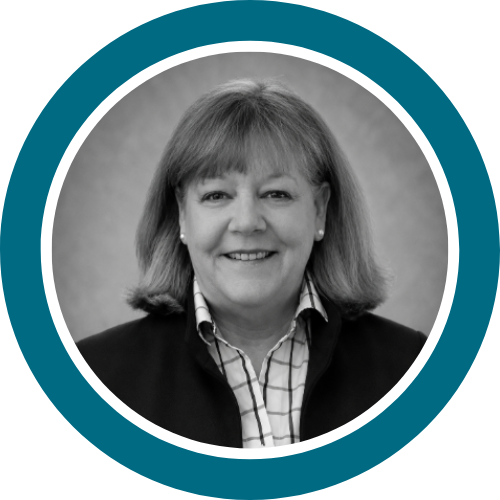
Section 2 brings together financial crime specialists from across banking,
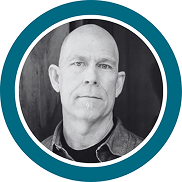
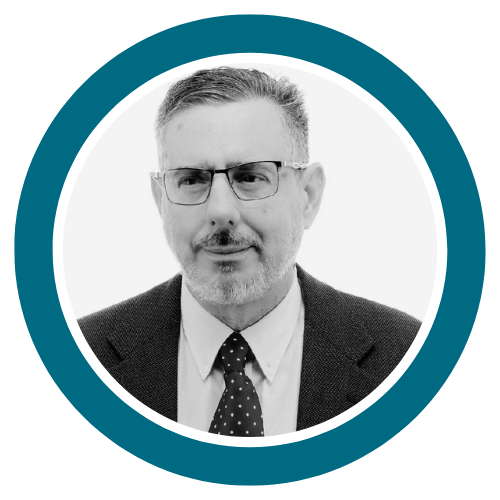
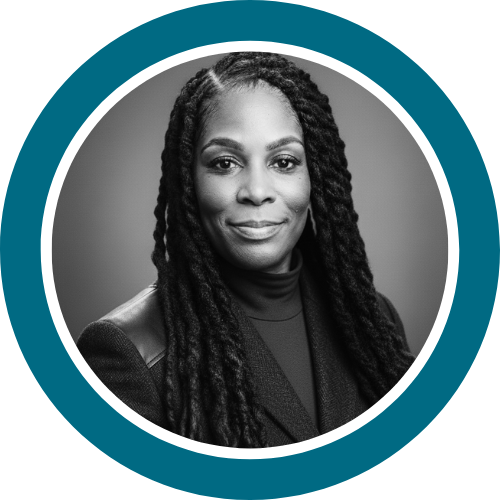
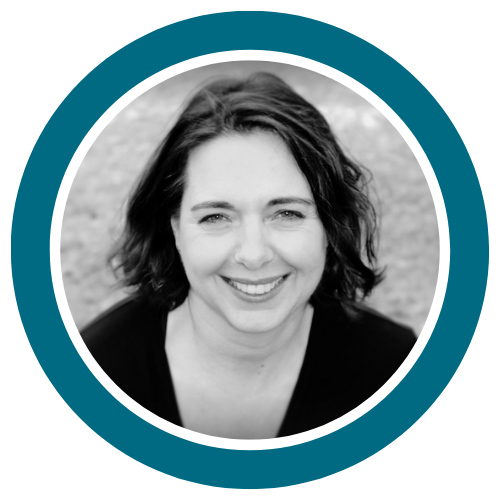
intelligence, law enforcement, AML technology, and academic research. Practitioners who have operated inside the systems they’re now building to replace.
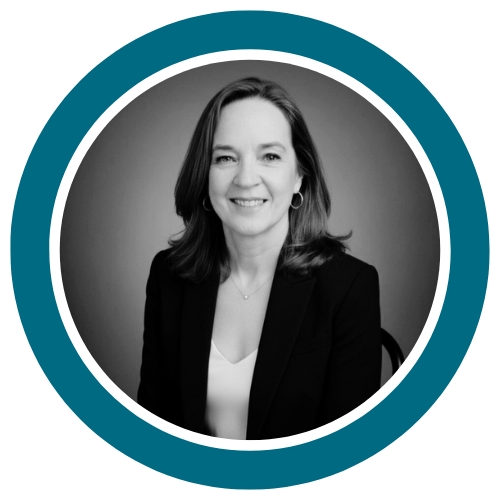

Section 2 exists because of a number that has haunted Debra for most of her career: less than 1%. After 25 years inside the financial crime industry, Debra watched a $200B compliance regime built around anomaly detection and transaction monitoring catch less than one percent of illicit activity — while the people behind that activity kept operating, and the victims of their work kept paying the cost.
Her path to a different answer started in data: a decade at LexisNexis Risk Solutions leading product strategy for AML and fraud, followed by senior roles at NICE Actimize, Socure, Treliant, and Matrix-IFS. But the thesis crystallized at MetaBank, where as SVP she led the combined Fraud and BSA unit through a cease-and-desist order to satisfactory status. Her team’s false-positive rate on Actimize sat at 94%, and investigators were surfacing human trafficking cases the alerts had only tangentially flagged. Drawing on her data background, Debra led the team to a more precise detection approach. In 90 days, it produced 750 alerts of which 612 were confirmed cases resulting in false positives of 18%.
The takeaway was bigger than one bank. Transaction monitoring sees noise; what she had built saw behavior — the financial DNA of a specific kind of criminal. Over the next 12 years, in collaboration with the intelligence community and law enforcement, Debra developed that insight into Hybrid Threat FinanceTM: a patent-pending methodology that turns illicit financial behavior into intelligence on the actors behind it.
Section 2 is the operational expression of that framework, building data-driven products that let financial institutions, law enforcement, and government partners move from chasing alerts to identifying the threat actors.
Our team includes former senior leaders from Tier-1 banks, federal law enforcement, U.S. military intelligence, AML and identity technology providers, and the regulatory community. Several members have led financial intelligence units through cease-and-desist remediation. Others have built the AML and fraud products used by the world’s largest financial institutions. Still others have run counter-threat-finance operations against transnational criminal networks in the field.
We’ve come together with a common mission: to close the gap that legacy transaction monitoring can’t — finding the illicit finance activity that traditional systems are structurally built to miss. We’ve seen this problem from every angle: as regulators, as operators, as investigators, and as the people who built the tools the industry relies on today. That’s why we didn’t set out to build another monitoring system. We built Section 2 to target the threats already moving undetected through the financial system.



.webp)